Long-span structures
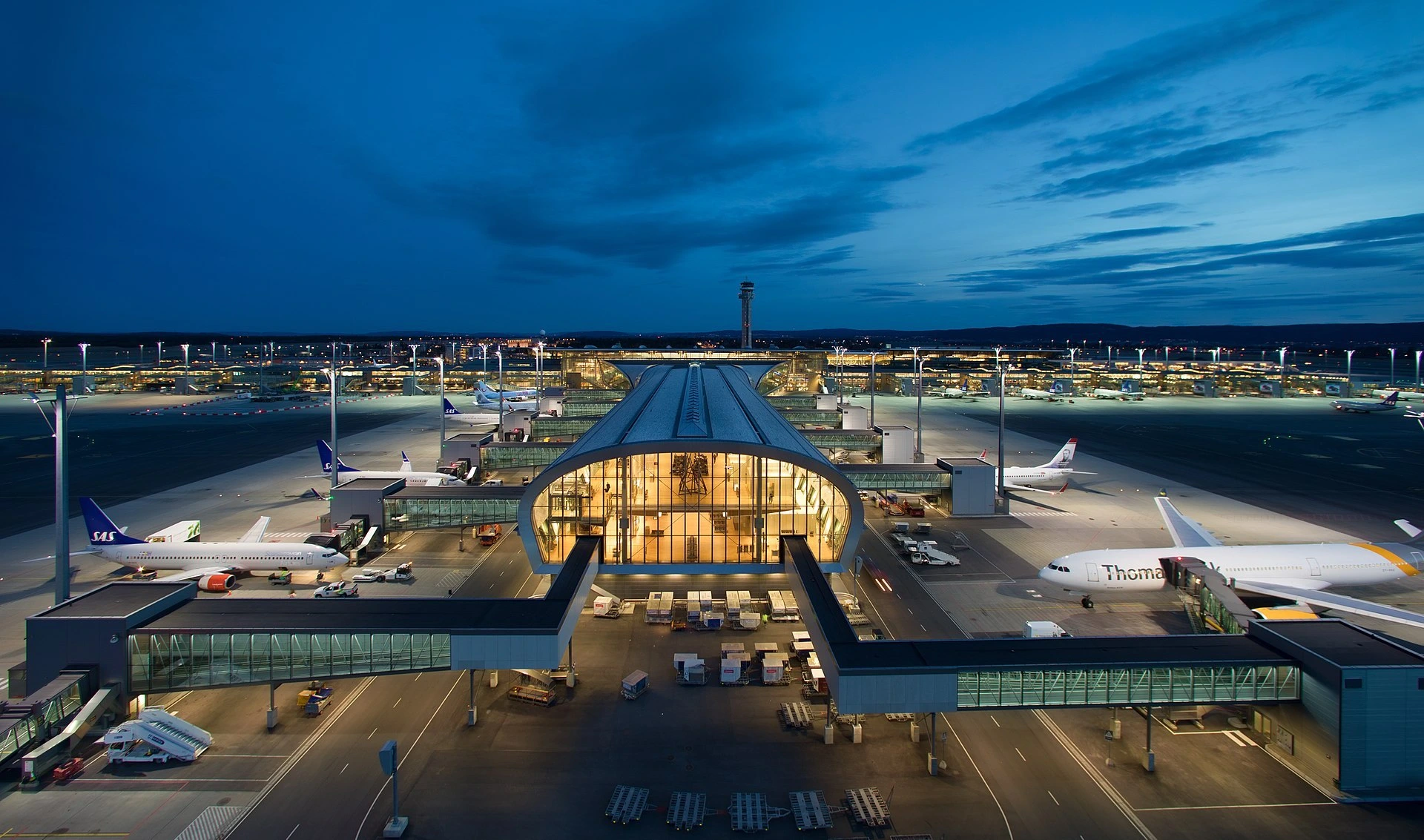
It is not uncommon for large industrial, transport or civic buildings to demand uninterrupted internal space, but increasingly we are being asked to deliver roof structures that push well beyond conventional spans. On a recent project, we were faced with a roof spanning over 150m, equivalent to more than 1.5 times the length of a football pitch.
At this scale, many of the underlying assumptions that underpin more conventional structural solutions begin to shift, whereby “efficiency” is no longer measured solely by the total tonnage of steel, but also by the rate per tonne. This is because small changes in fabrication complexity, material grade or erection strategy can have a disproportionate effect on the overall cost, resulting in the need for a careful balancing act between structural efficiency, material optimisation and the more practical realities of procurement and construction.
The five headliners when it comes to the successful design of long span structural solutions are:
- Buildability: long-span systems often demand significant temporary works, extensive laydown areas, and cranes of exceptional capacity. Each of these introduces both direct cost and programme risk. If the site is dense, or at all constrained, the logistics of assembling and lifting large structural elements can outweigh the theoretical material savings of a more efficient structural form. As such, the construction methodology must be considered as an integral part of the design from the outset.
- Connections: for long-span steel structures, the number of nodes and their complexity can escalate rapidly, particularly when the geometry departs from simple planar arrangements. Each connection carries implications not only for fabrication cost, but also for erection time, tolerance management and long-term durability. Therefore, rationalising connection types and increasing repetition can often yield significant efficiencies, even if this results in marginally increased member sizes and/or an uplift in total tonnage.
- Member geometry: whether a structural element is straight or curved for example, will have a direct impact on fabrication complexity and cost. While curved elements can offer architectural and sometimes structural advantages, they typically require bespoke fabrication processes and tighter tolerances. In addition, the painted surface area – driven by length and cross-sectional geometry – will contribute to both initial and lifecycle costs.
- Load paths: in long-span structures are inherently more concentrated so the way in which these forces are transferred to the ground becomes a key design driver. For example, the interface between the roof structure and its supports—whether columns, core walls or foundations—must be carefully resolved to avoid introducing inefficiencies or excessive local demands.
- Complex geometry: is often introduced as the architectural ambition of such a project grows: non-orthogonal grids, varying curvature and changing depths can all lead to misalignments between structural and architectural systems if not rigorously coordinated, and at this scale, even small geometric inconsistencies can propagate into significant construction challenges.

To address these issues, we employ refined digital workflows that allow us to interrogate multiple structural strategies in parallel. For example, by comparing column-free solutions against those with intermediate supports, we can quantify the trade-offs between structural depth, material usage and spatial flexibility. Similarly, by varying the primary grid spacing we can understand its impact on member quantities, connection counts and overall constructability.
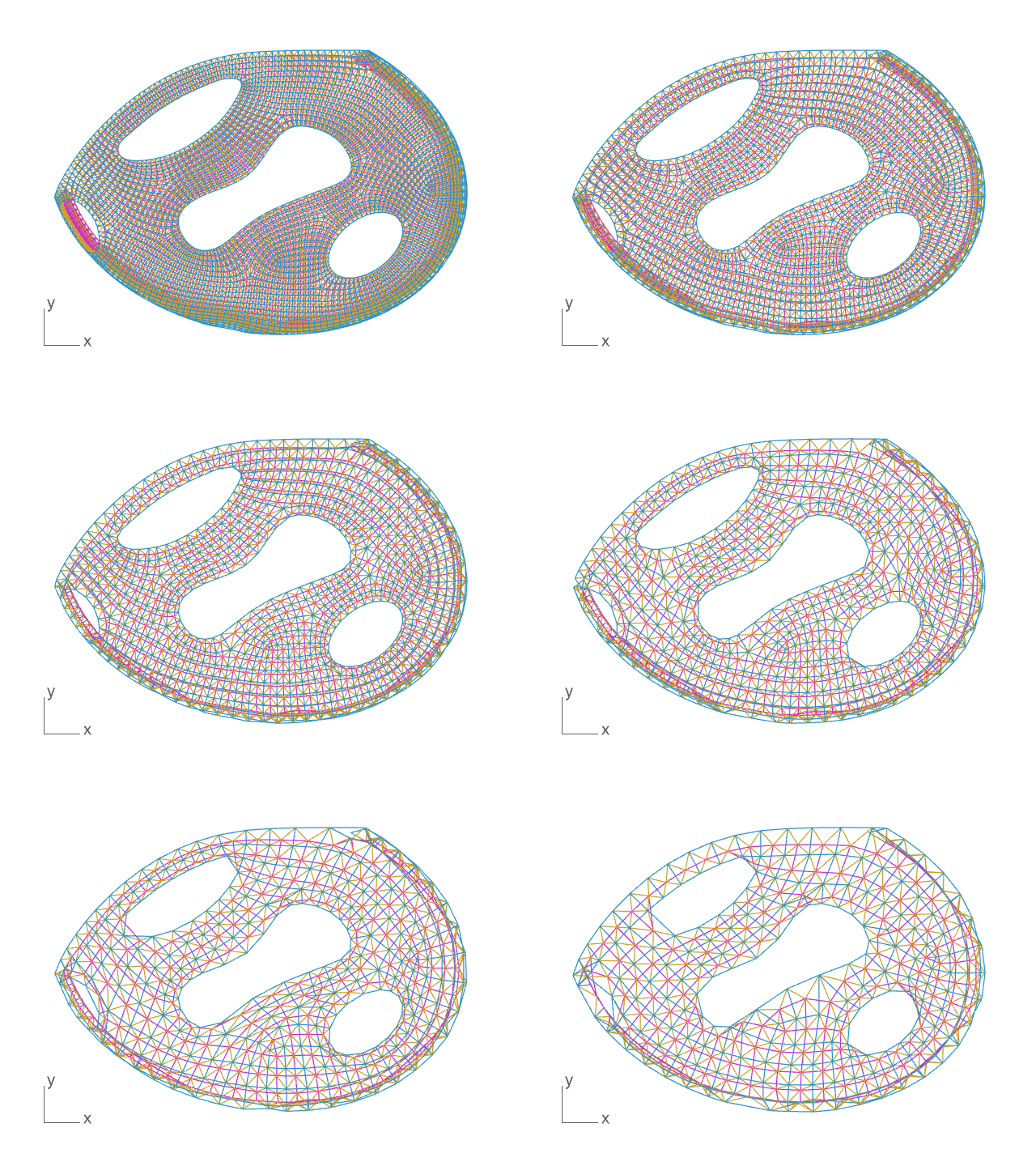
These digital tools also allow us to explore the interaction between the primary structure and the envelope. Controlling curvature is particularly important: excessive curvature can necessitate secondary framing or bespoke cladding solutions, both of which can significantly increase cost. By aligning the structural geometry with acceptable limits for the envelope systems, we can avoid these downstream impacts.
Ultimately, the design of long-span structures at this scale is an exercise in integration—of structure, architecture, fabrication and construction. Success lies not in optimising any single parameter, but in understanding and balancing the interdependencies across the entire system.